

from 0 reviews
12 Days
Up to 12 days
10 people
English
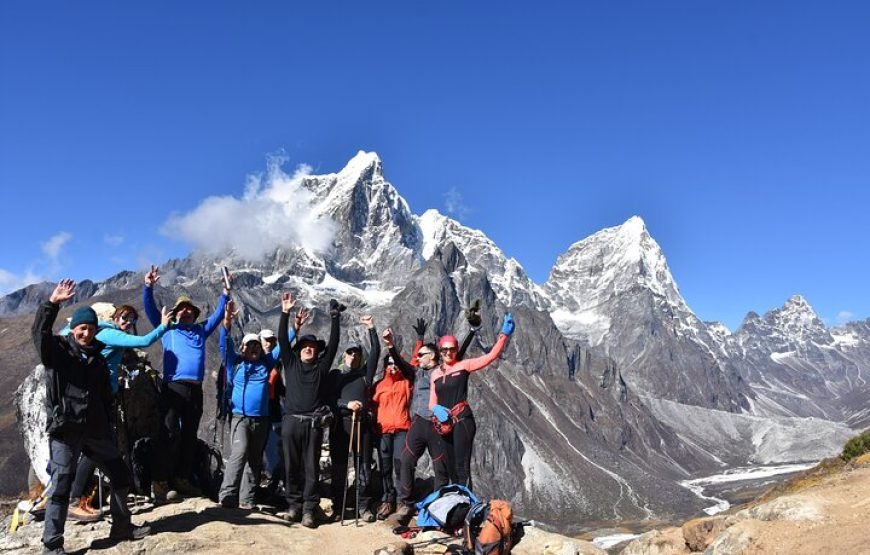
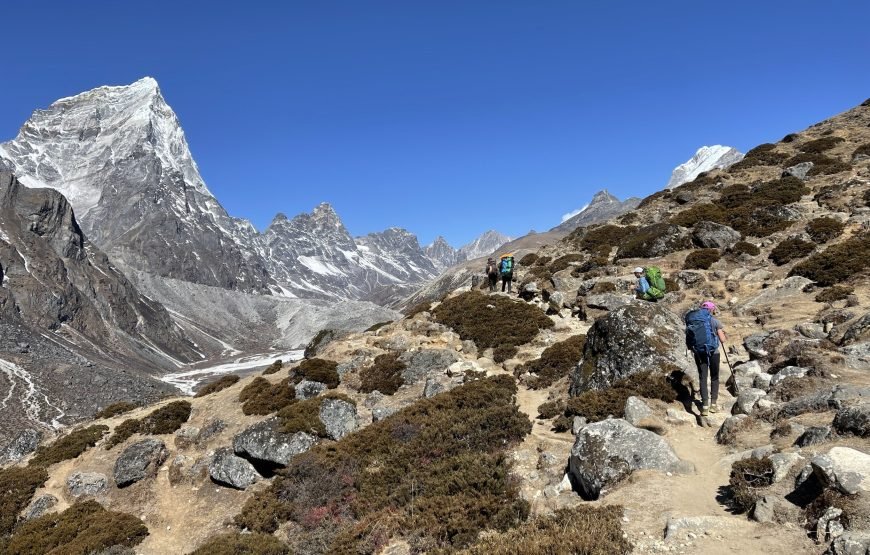
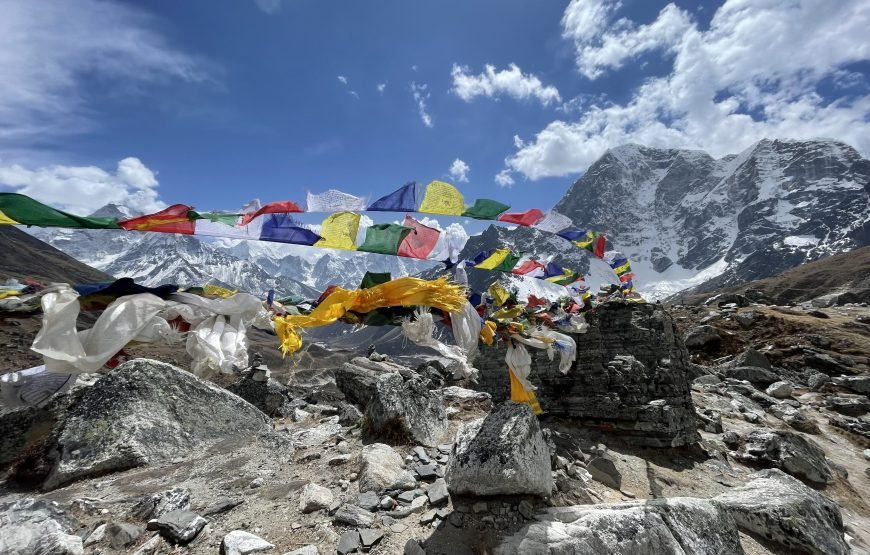
Everest Base Camp is one of the most prevalent and unforgettable experience goals within the Himalayas. The landscape is impressive; bright peaks, impressive glaciers, and ancient and precious monasteries are the key to sublimity.
The lovely Sherpa people, their culture, and their tradition add more charm to this historic trekking. We have an exciting flight to Lukla and start guiding the adventure to Everest Base Camp in Nepal. Walking along the Dudh Koshi River, we climbed to reach the Sherpa capital, “Namche Bazaar”.
Everest Base Camp is one of the most iconic and renowned trekking routes in the world, offering a once-in-a-lifetime opportunity to witness the grandeur of the Himalayas. This trek not only takes you through some of the most breathtaking landscapes but also provides close-up views of the towering peaks, including the world’s highest mountain, Mount Everest (8,848.86m).
As you hike through the Everest region, you will be immersed in the rich culture, lifestyle, and traditions of the Sherpa people, whose resilient spirit is evident in their warm hospitality and connection to the mountains.
The Everest Base Camp Trek is ideal for those seeking both a physical challenge and the chance to immerse themselves in one of the most beautiful and culturally rich regions in the world. It’s a trek for lovers of high places and adventure, as well as for those wanting to test their limits and achieve a sense of accomplishment while standing in the shadow of the mighty Everest. Whether you’re an avid trekker or a first-time adventurer, the Everest Base Camp Trek will offer a life-changing journey filled with stunning vistas, cultural encounters, and the triumph of reaching one of the world’s most famous trekking destinations.
The Everest Base Camp Trek is undoubtedly on the bucket list of nearly every adventurer and outdoor enthusiast. Every step you take will get you closer to the summit of Mount Everest as you become fully immersed in the local way of life. After walking through dense forests and beautiful scenery for more than a week, you will reach Everest Base Camp, which is located at 5364 meters above sea level.
We take an early morning flight to Lukla and start our trek. We traverse through Cheplung village to reach Phakding in 3/4 hours. A superb view of Mt. Khumbila, a sacred mountain that has never been summited. Overnight at Phakding. Trek Distance – 6.2km / 3.8miles
Included Meals: Lunch and Dinner
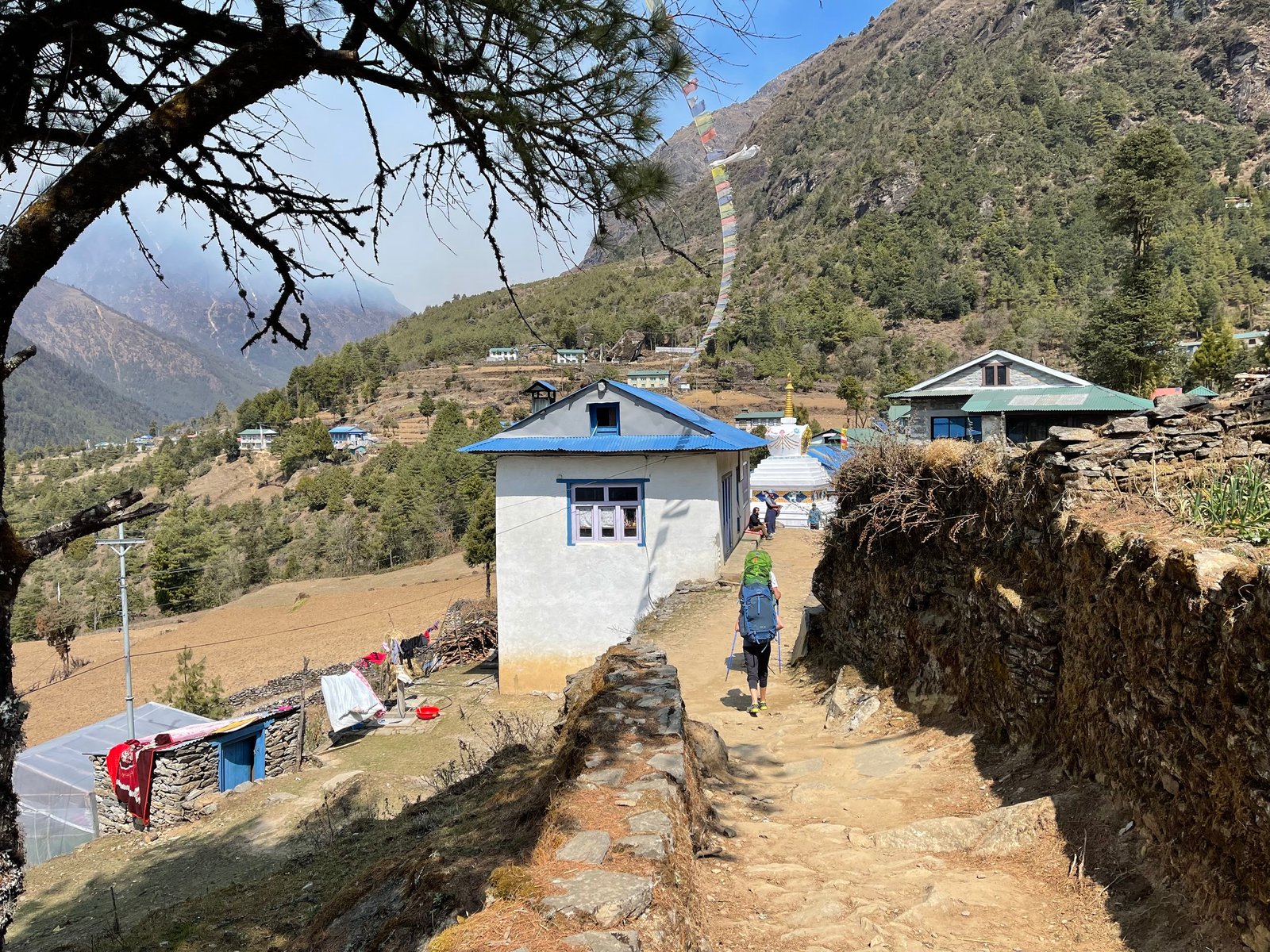
We continue our walk on the trail up to the Benkar Valley. We cross the Dudh Koshi River and traverse Chumoa and Monjo villages taking us to the entrance of the Sagarmatha National Park. Walk alongside Dudh Koshi and Bhotekoshi rivers crossing over a suspension bridge traversing Jorsale village. Ascend on a steep trail until you reach the Sherpa capital Namche Bazaar. Overnight in Namche Bazaar. Trek Distance – 11 km
Included Meals: Breakfast, Lunch, and Dinner
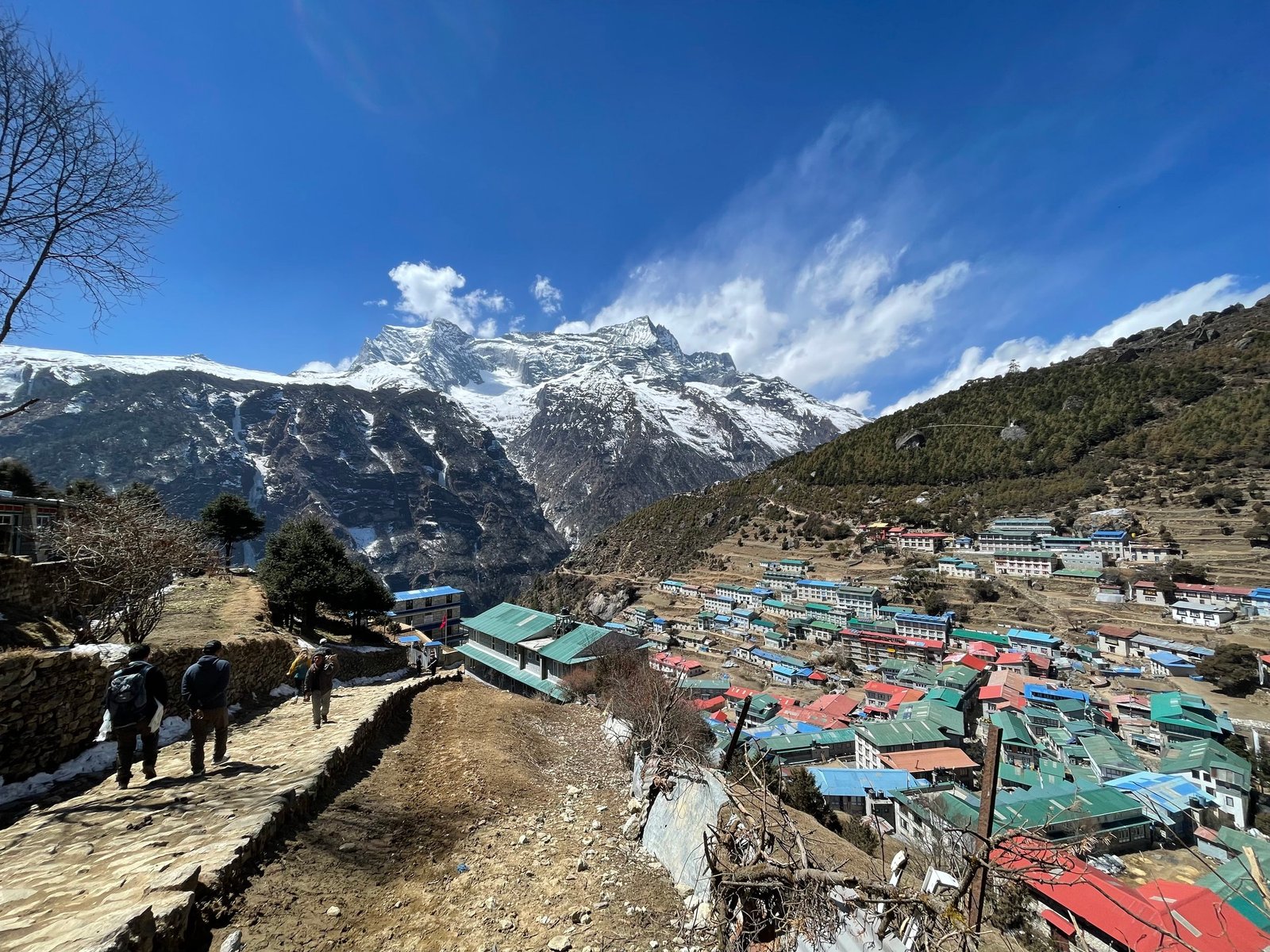
Today is a much-required acclimatisation day. Tour around Namche Bazaar and visit Sagarmatha National Park. Adore the diverse fauna and may witness some birds and animals as well. Enjoy the awesome view of Mt. Everest, Lhotse, Nuptse, and other surrounding snowy peaks. Alternatively, visit Khumjung village. Overnight in Namche Bazaar.
Included Meals: Breakfast, Lunch, and Dinner
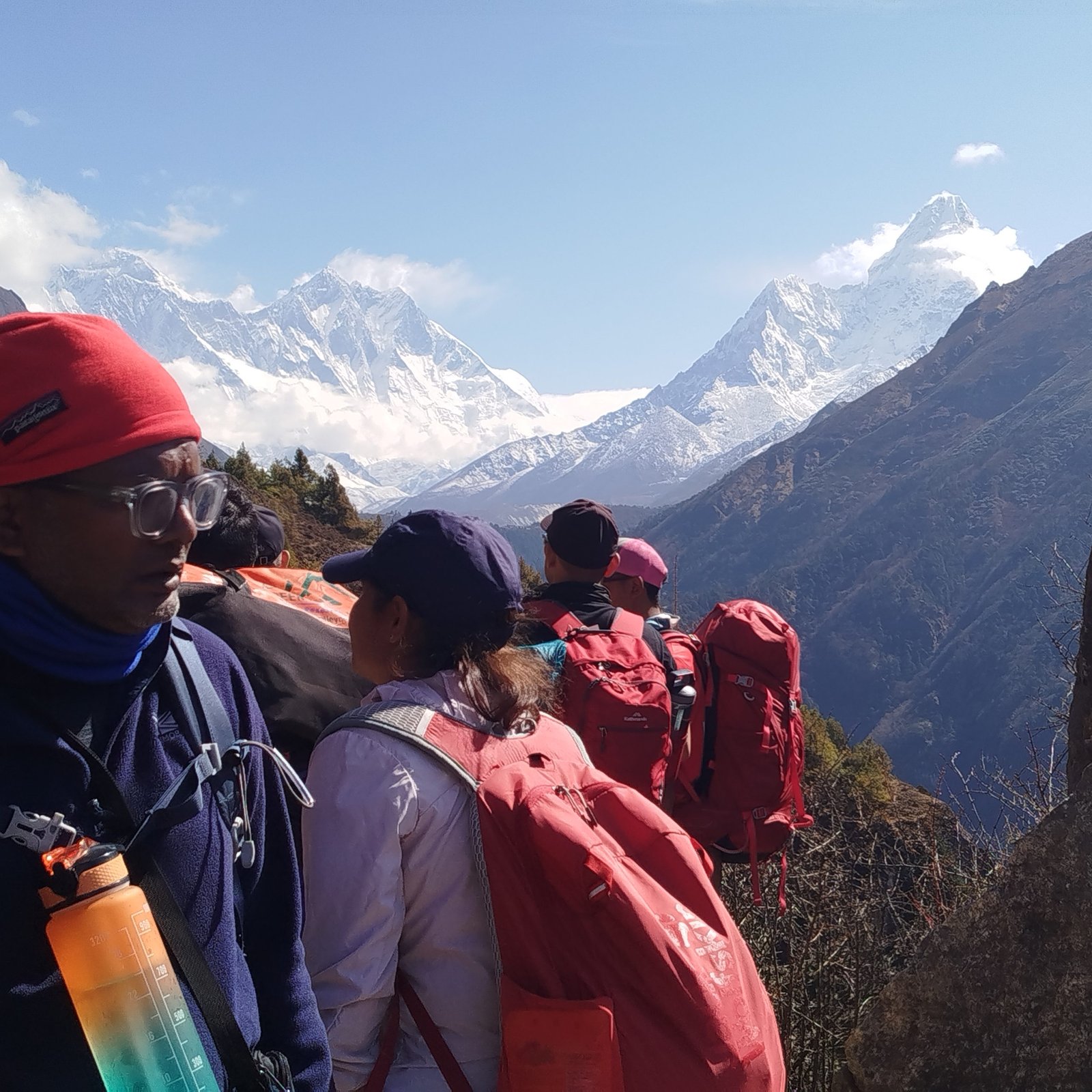
An easy and comfortable walk to Phunki. From there, climb uphill passing through a beautiful landscape and exploring the largest Tengboche Monastery in that region. The panoramic vistas of the Himalayas, including Mt. Everest, Nuptse, Lhotse, and Ama Dablam, are in the background of the monastery. The Tengboche Monastery opens at 3:00 pm, so if we reach there by 4 o'clock, we can observe a Buddhist religious ceremony. Trek Distance – 9.2km / 5.7miles
Included Meals: Breakfast, Lunch, and Dinner
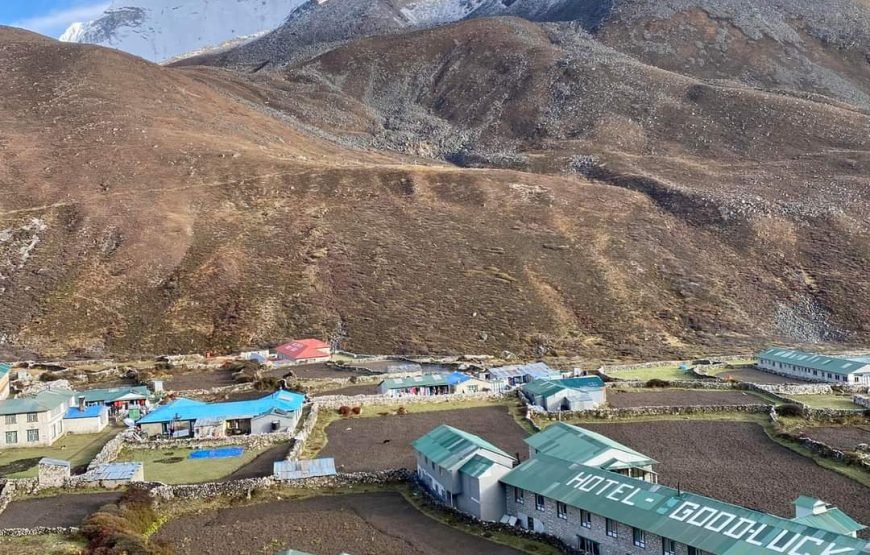
We descend to Debuche and reach Pangboche by crossing the Imja River. The trek continues, passing through the upper Pangboche trail and witnessing the Pangboche Monastery. Passing through Imja Valley, we reach Dingboche. Overnight at Dingboche. Trek Distance – 9 km
Included Meals: Breakfast, Lunch, and Dinner
An acclimatisation day at Dingboche to adapt to the high altitude. We hike to the hill behind Dingboche to view the world’s tallest peaks, including Lhotse, Makalu, and Cho Oyu. Overnight at Dingboche.
Included Meals: Breakfast, Lunch, and Dinner
We traverse through Dughla Pass admiring the beautiful views en route to reaching Lobuche. Stay overnight. Trek Distance – 8.5km / 5.2 miles
Included Meals: Breakfast, Lunch, and Dinner
Today we continue our trek to Everest Base camp walking a long day. Have lunch at a lodge upon reaching Gorakshep. A gradual walk to the Everest Base Camp. Relish stunning views of Mt. Pumori, Khumbutse, and Nuptse. Return to Gorakshep following the same trail. Stay overnight. Trek Distance – 15km / 9.32miles
Included Meals: Breakfast, Lunch, and Dinner
After an early breakfast, we walk up to the highest point of the trek, Kala Patthar, for a magnificent view of the world’s tallest Everest, and several other mountains like Lingtren, Khumbutse, and Changtse mountains. After spending some time at the summit of Kala Patthar, we walk back to Gorakshep for lunch, which is relatively easier than hiking up to Kala Patthar. After lunch, we return to Pheriche and stay overnight. Trek Distance – 9.6 km / 6 miles
Included Meals: Breakfast, Lunch, and Dinner
We descend through the villages of Pangboche and Tengboche with the backdrop of impressive snow-capped mountains. Reach Namche Bazaar and stay overnight. Trek Distance – 9.2km / 5.7miles
Included Meal: Breakfast, Lunch, and Dinner
We trek back to Lukla. Our last day in the lap of mountains. Enjoy the trekking and in the afternoon, rest and relax. In the evening, explore around and celebrate completing the trek. Stay overnight. Trek Distance – 13km / 7 miles
Included Meal: Breakfast, Lunch, and Dinner
An early morning flight to Kathmandu from Lukla. Upon reaching Kathmandu, you are transferred to your hotel. We take you for a farewell dinner in the evening. Overnight in Kathmandu.
Included Meals: Breakfast
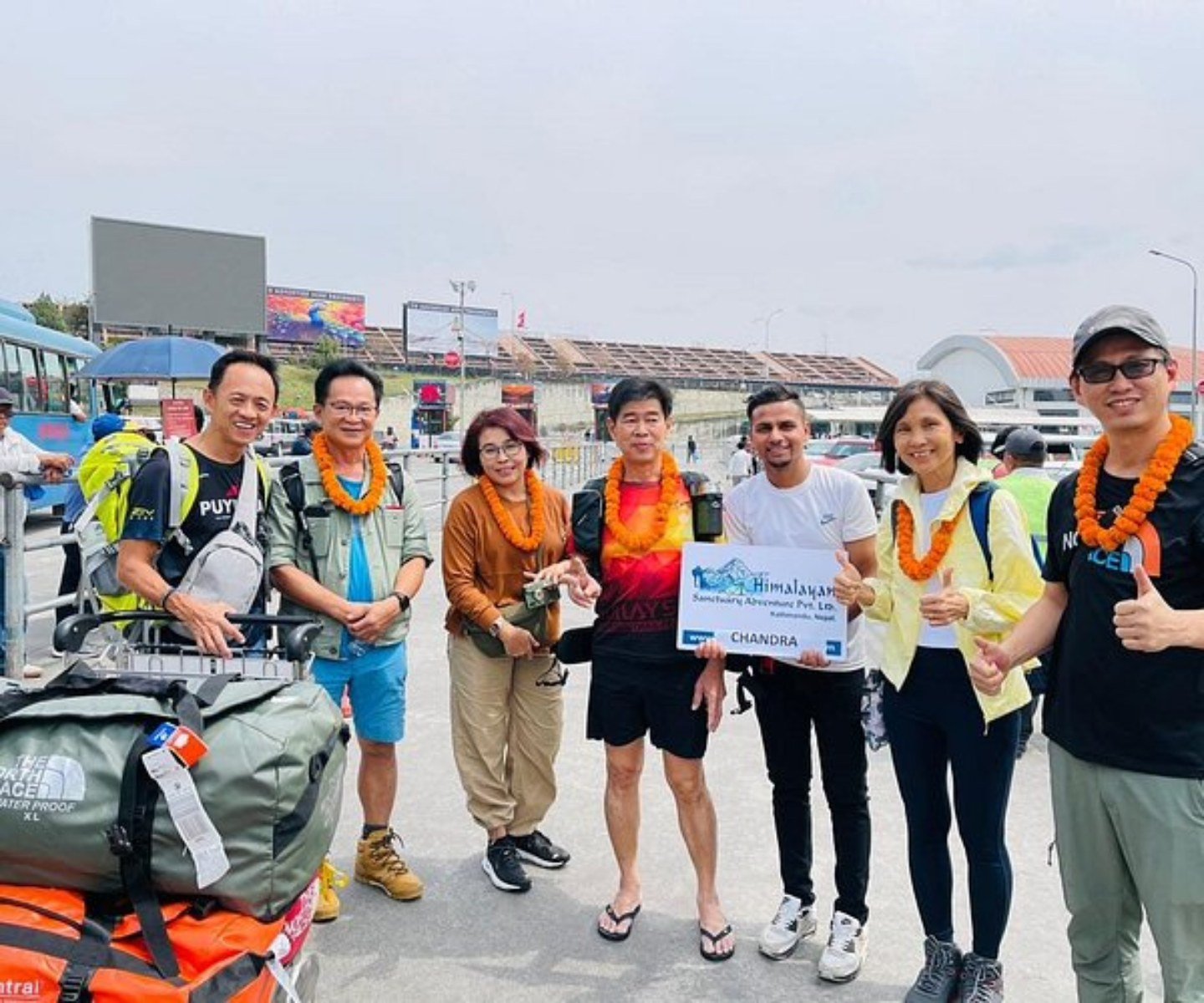
One of the representative will pick you up from your hotel in Kathmandu for your flight to Lukla is a great convenience, as it ensures a smooth start to your journey.
Your trek through the Himalayas will involve staying in tea houses or lodges along the route, which is a great way to experience local hospitality while trekking. Here’s a breakdown of what you can expect and some tips on how to make the most of your stay in these tea houses: Tea Houses / Lodges Overview: Room Options: Single or Double Rooms: Most tea houses and lodges offer both single and double rooms. These rooms are generally basic, with a bed, a blanket, and a small table. In some places, you may also get a pillow, but it’s always a good idea to bring your own travel pillow for added comfort. Comfort: While the rooms are basic, they provide shelter, and you will usually have a great view of the mountains right outside your window. Make sure to pack a good sleeping bag, as the nights can get chilly, even in lower altitudes.
While the standard package includes two nights in Kathmandu, any additional accommodation will require a supplemental fee. It’s best to stay in close communication with your trekking agency for such arrangements if needed.
Yes, all our trips are guaranteed to run. We never cancel the trip due to not having enough participants; we can arrange the trip for one person as well.
You can clear the remainder of the money upon your arrival in Kathmandu or even before you arrive in Kathmandu. You can use USD, Euro, Pound, Canadian Dollar, or Swiss franc in cash, Master or Visa cards for the payment options. There will be a 4% bank levy when paying by credit card.
Most teahouses (lodges) on Everest Base Camp trails cook a delicious range of mostly vegetarian fare. Pasta, tuna bakes, noodles, potatoes, eggs, daal Bhat (rice and lentils), bread, soup, fresh vegetables (variety depends on the season), and even some desserts like apple pies, pancakes, and some interesting attempts at custard. You will find a lot of garlic on the menu because it assists with acclimatisation – eat some every day. In many larger villages, you may find some meat items on the menu. You can always get hot chocolate, tea, and hot lemon drinks, as well as soft drinks and treats like chocolate and crisps. Each day dinner and breakfast will be at a lodge you’ll stay at, while lunch will be taken on the way to the destination
Yes, the food is very safe during the trekking, but we recommend you eat vegetarian and local food. Please follow the suggestion of our guide on the trek.
Bottled water is easily available at the lodges and tea houses. You can buy bottled water at the cost of USD 2 at lower elevations to USD 4 at higher elevations per litre. You can also drink the normal tap or spring water if you bring the purifying aid with you.
The Twin Otter and Dornier are the primary modes of transport to and from the airstrip at Lukla. This service is fairly dependable. Sometimes, flights (to and from Lukla) may be cancelled due to mountain weather conditions or technical issues. In such a case, Ace the Himalaya can help you charter a helicopter to ensure you are on schedule for your trek or international flight. The helicopter can fly if the visibility is 1500 m, while the Twin Otter and Dornier can fly if the visibility is 5000 m, as per Nepal’s Civil Aviation rules. If the weather is extreme and the visibility is less than 1,500m, helicopters are also not operated for the flights. In such cases, we will reschedule your flight for the next day, providing you with alternative trek options.
The cost of the helicopter is payable directly to our Kathmandu office in the event that this service is utilised. US cash or credit cards (Visa, Mastercard, and American Express only) are accepted. You will be given a receipt upon payment so that you may claim the amount from your travel insurance. The extra charges incurred are approximately USD 2,500 to USD 3,000 per helicopter (minimum USD 500 to maximum USD 3,000 per person and would apply to you for the helicopter charter. Usually, the helicopter takes only 3 to 5 passengers at a time. Therefore, whatever the cost of a helicopter is, the price is divided among the group members. Any card payment requires a 4% bank fee while doing the transaction, which is taken by the bank itself. (Himalayan Sanctuary Adventure doesn’t own any of those 4% amounts.)
Our trekking season extends from mid-September to May. From early September the monsoonal rains decrease. From the end of September through to December, the weather is usually stable with mild to warm days and cold nights. February, March, April, May, October, November, and December are the best times to do the Everest Base Camp Deluxe trek.
Every trekking trip up the mighty Mt. Everest presents its own amazing, unforgettable moments that forever live on in the hearts and minds of those brave enough to make the climb. One of the most unpredictable elements of the Everest region is the weather. If you’re not properly prepared for the twists, turns, and volatility of the conditions that can occur in this breathtaking region, you might find yourself in an uncomfortable and unpleasant situation. Here are some weather basics to help ensure that you come to the Himalayas as well-equipped and prepared to face anything. Generally, the nights are much cooler than the daytime hours in the Everest region. Many first-time trekkers are surprised to learn about the incredible range that may occur on a given day. During the day, the thermometer could reach temps as high as 25 degrees C, only to dip down as low as -20 degrees C in less than 24 hours. While there’s no way to know exactly what each day in the mountains will bring, the weather and temperature ranges tend to be somewhat predictable based on the month and season. Spring – March / April / May / June Spring happens to be one of the best times of the year to visit the Everest region, although because of this, it can become somewhat crowded. One can meet many other Everest climbers during this season and base camp is full of tents. The beautiful clear blue sky can be seen and the many different species of flowers are visible in the lower altitude. During springtime, the average temperature is 17 degrees C with a maximum of 25 degrees C during sunny days and a minimum of -15 degrees C in the morning and at night for areas above 4000 meters. July / August Through Mid-September is Monsoon Season This season is not recommended to travel as it rains in the lower altitudes, below 3500 meters. In areas above 4000 meters, it rains sometimes and although it is also sometimes dry, very few people travel during this season. There are positives to trekking during the monsoon months, however. The excess rainfall can provide ample chance to see spectacular views of the waterfall and it’s also the best season to avoid the crowds. The maximum temperature during the monsoon season averages 25 degrees C during sunny days with a minimum of -15 degrees C in the morning and night at areas above 4000 meters. The average temperature tends to hover around a comfortable 18 degrees C. Autumn – End of September / October / November Similar to springtime, autumn in the Everest region is also a crowded season, but it’s one of the best times to trek. While it lacks the beauty of flowers, the clear blue sky can be seen, affording incredible views from just about every angle. The average temperature during the fall is 15 degrees C with a maximum temp of 20 degrees C during sunny days and a minimum of -10 degrees C in the morning and at night, for areas above 4000 meters altitude. Regardless of the time of year, trekkers should always plan accordingly and bring clothing for both cooler and warmer temps. Layering is always recommended, as are pants that can double as shorts.
No reviews yet.

Member Since 2025
Lombok, Indonesia
Leave a review