from A$9,000.00 A$8,550.00
Check Availability

6 Day The Great Serengeti Migration Safari in Tanzania

Serengeti National, Tanzania
Not Rated
Duration

6 Days

Cancellation

Up to 7 days

Group Size

14 people

Languages

English, Espanol, French, German
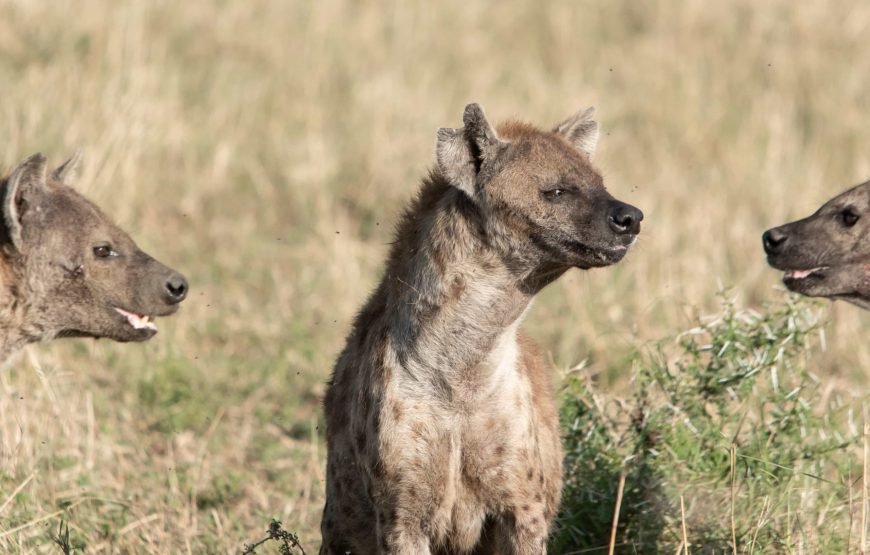
6-Day Great Wildebeest Migration Safari – Serengeti & Ngorongoro Crater

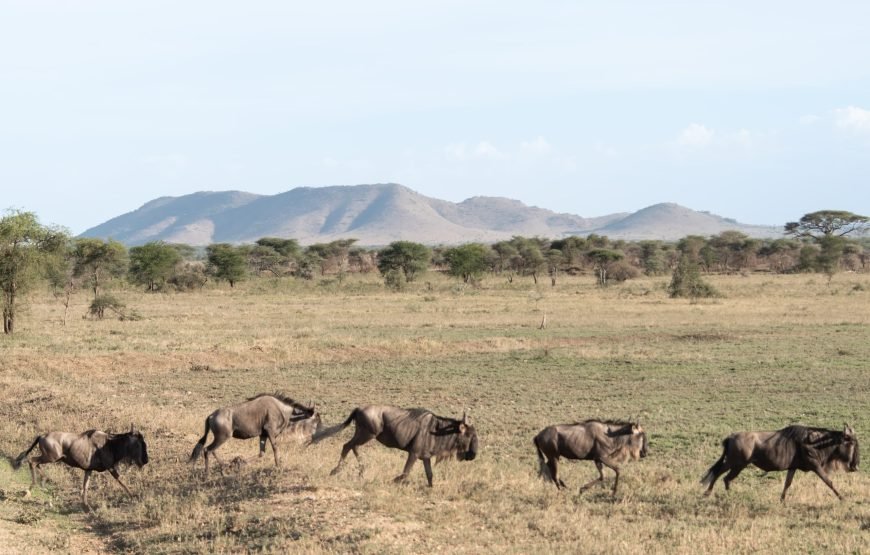
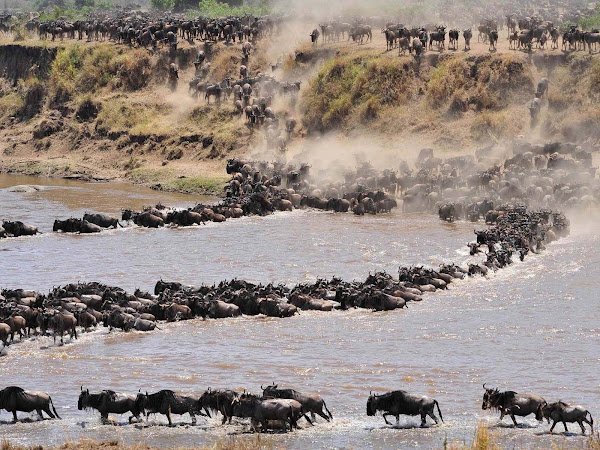
6-day Great Wildebeest Migration: you will live witness one of the amazing wonders of the world in Serengeti National Park, where millions of wildebeest, zebras, and antelopes migrate naturally from Serengeti to Masai Mara and vice versa each year.

Serengeti National Park is the biggest park in Tanzania and the host of the world’s largest mammal migration of wildebeests, zebras, and antelopes.

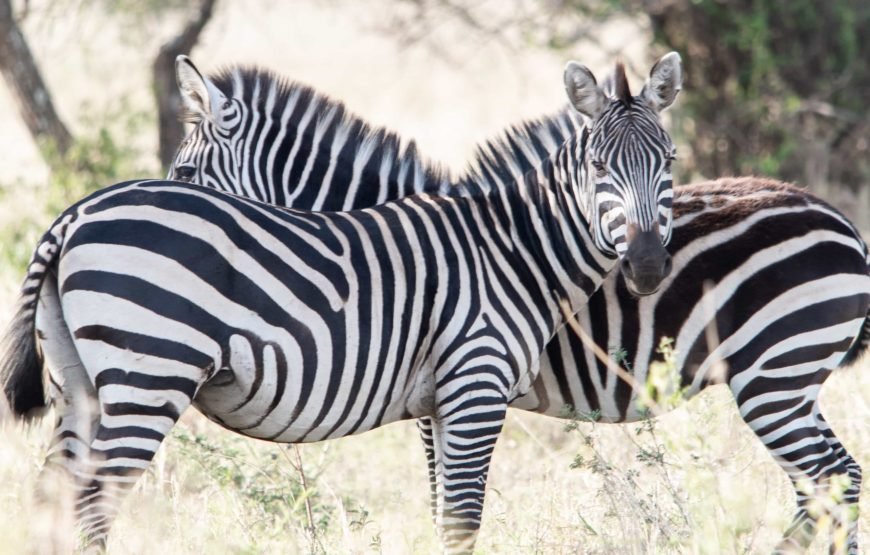
More than 2 million wildebeest, half a million zebras, and antelopes migrate to and from the Masai Mara in Kenya, searching for water and pasture.

Additionally, you will also visit Ngorongoro Crater, where millions of different species form an amazing ecosystem on the crater floor.

The Great Wildebeest Migration

The great wildebeest migration is a natural phenomenon as old as the land itself and is truly a once-in-a-lifetime experience. Join us in the Northern Serengeti between July and October to witness the migration crossing the Mara River, or in Ndutu between December and March to witness the calving season.
Highlights

  • Nature's Epic Journey Across the Serengeti
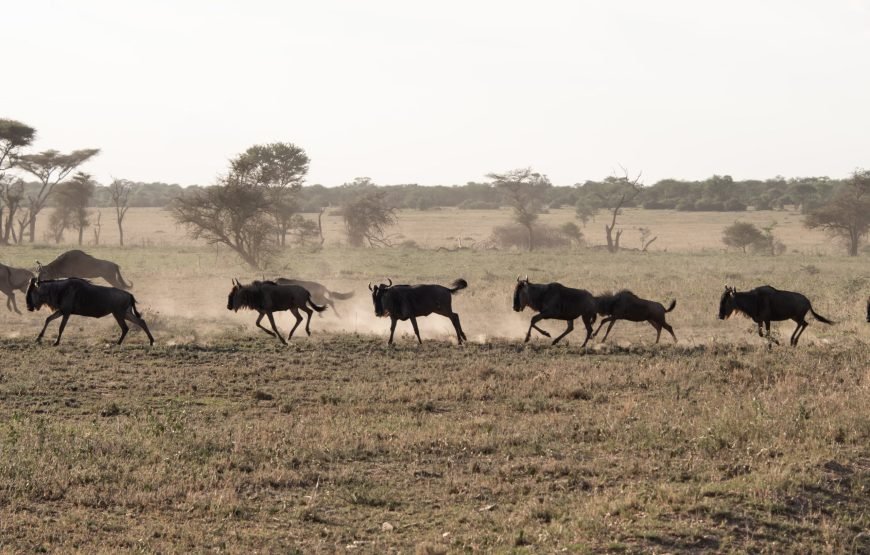
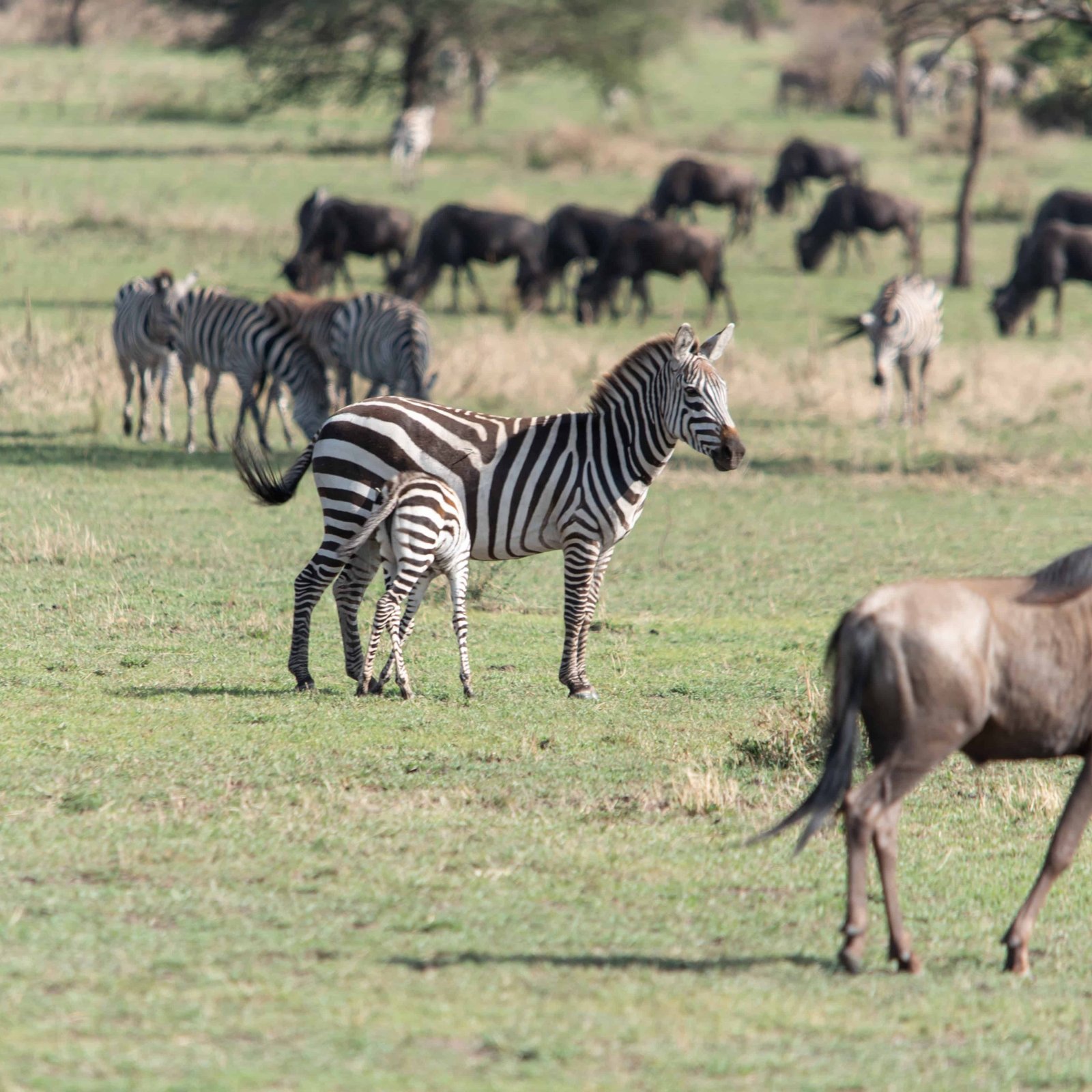
  • The journey of the Great Migration begins in the southern plains of the Serengeti, where nearly two million wildebeest gather for the birth of half a million calves between January and March. This season is a favorite for many experienced guides, as the landscape is alive with new life and dramatic scenes of survival. The air is filled with the sounds of newborns finding their footing and herds moving across the plains, creating a spectacle that captures the raw beauty of nature.
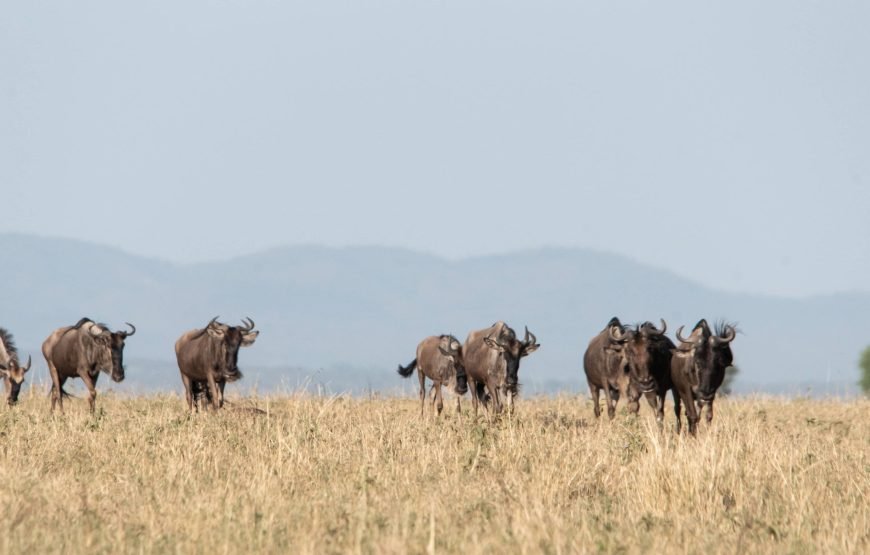
  • The wildebeest undertake an 800-kilometer trek—the largest mammal migration on Earth—in search of fresh grazing and water. This movement is perfectly timed with the greening of the Serengeti’s short-grass plains during the wet season, providing both safety from predators and nourishment for the calves. As the plains dry up, the herds push westward and eventually north, where rainfall is more consistent but the grass is less nutritious. This relentless search for food drives a continuous, clockwise journey across the Serengeti, a cycle that repeats year after year, showcasing one of nature’s greatest spectacles.
  • Witness the Magic of the Serengeti Migration
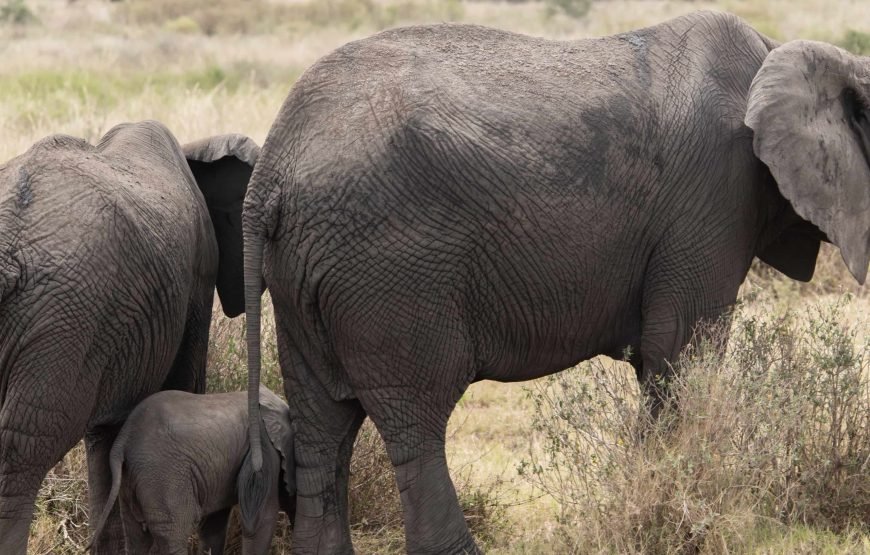
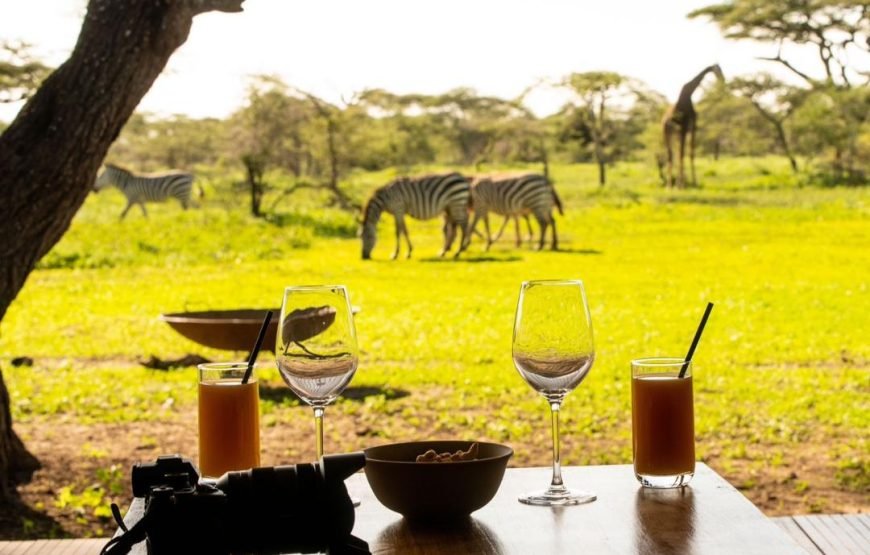
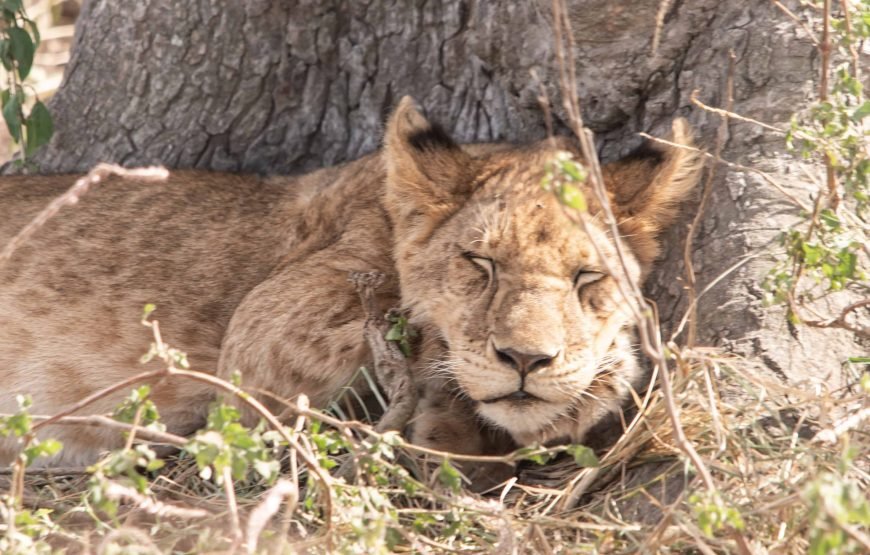
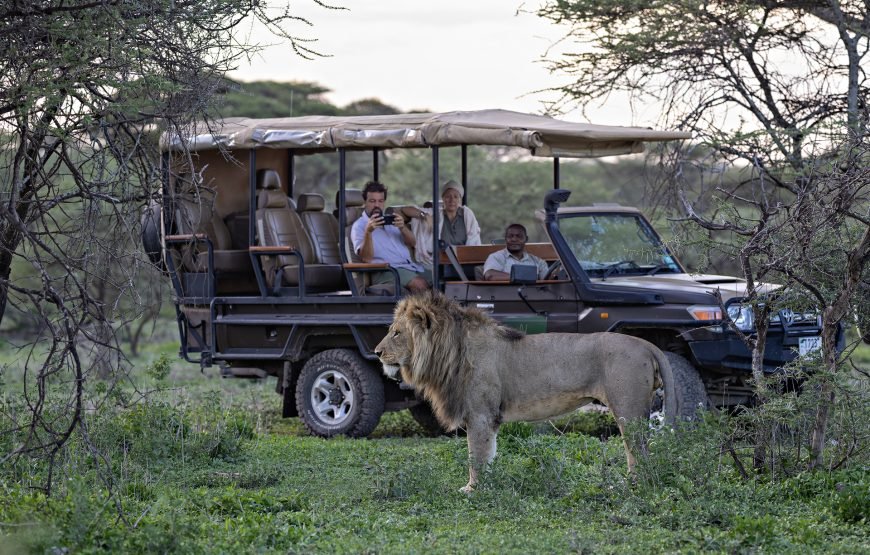
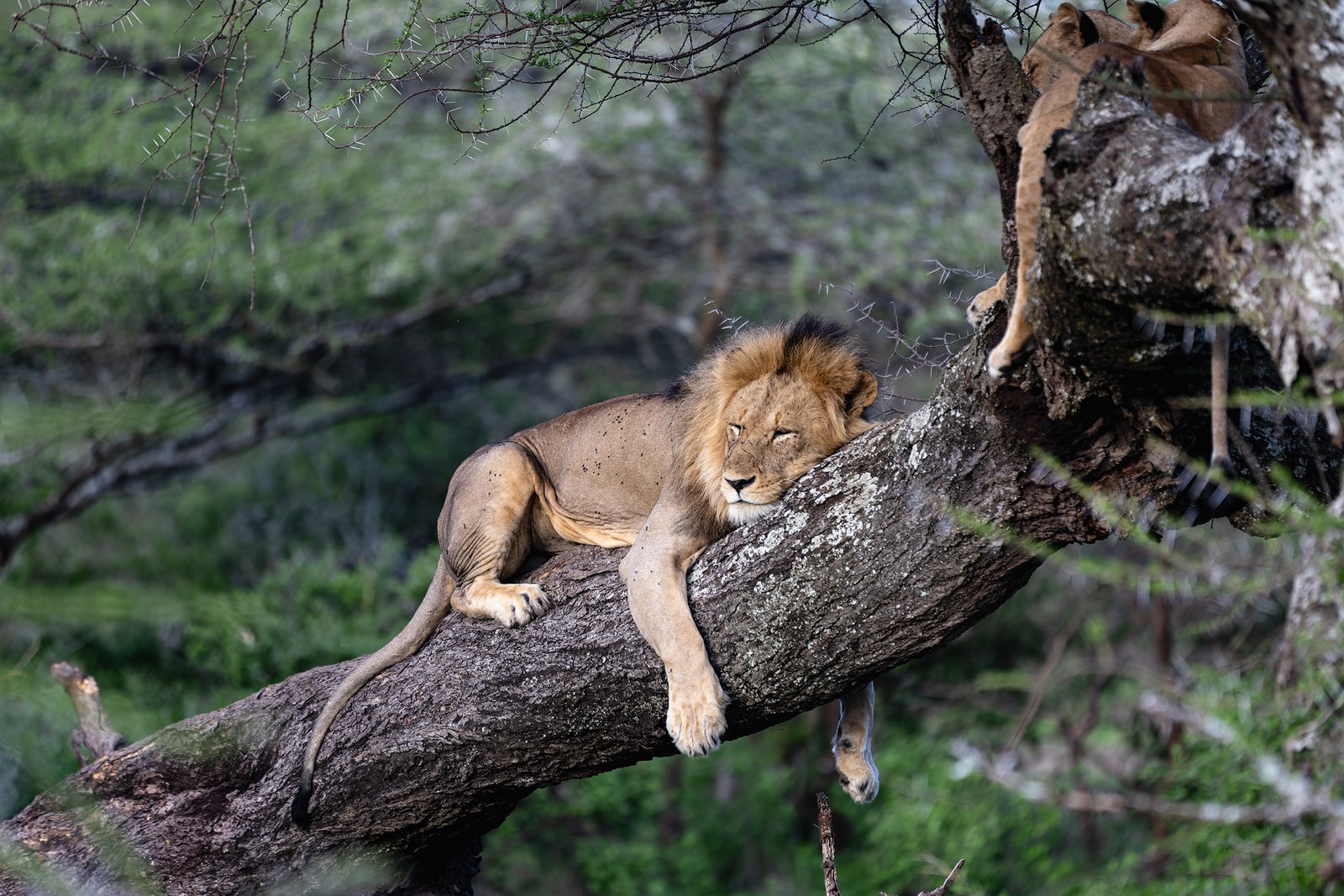
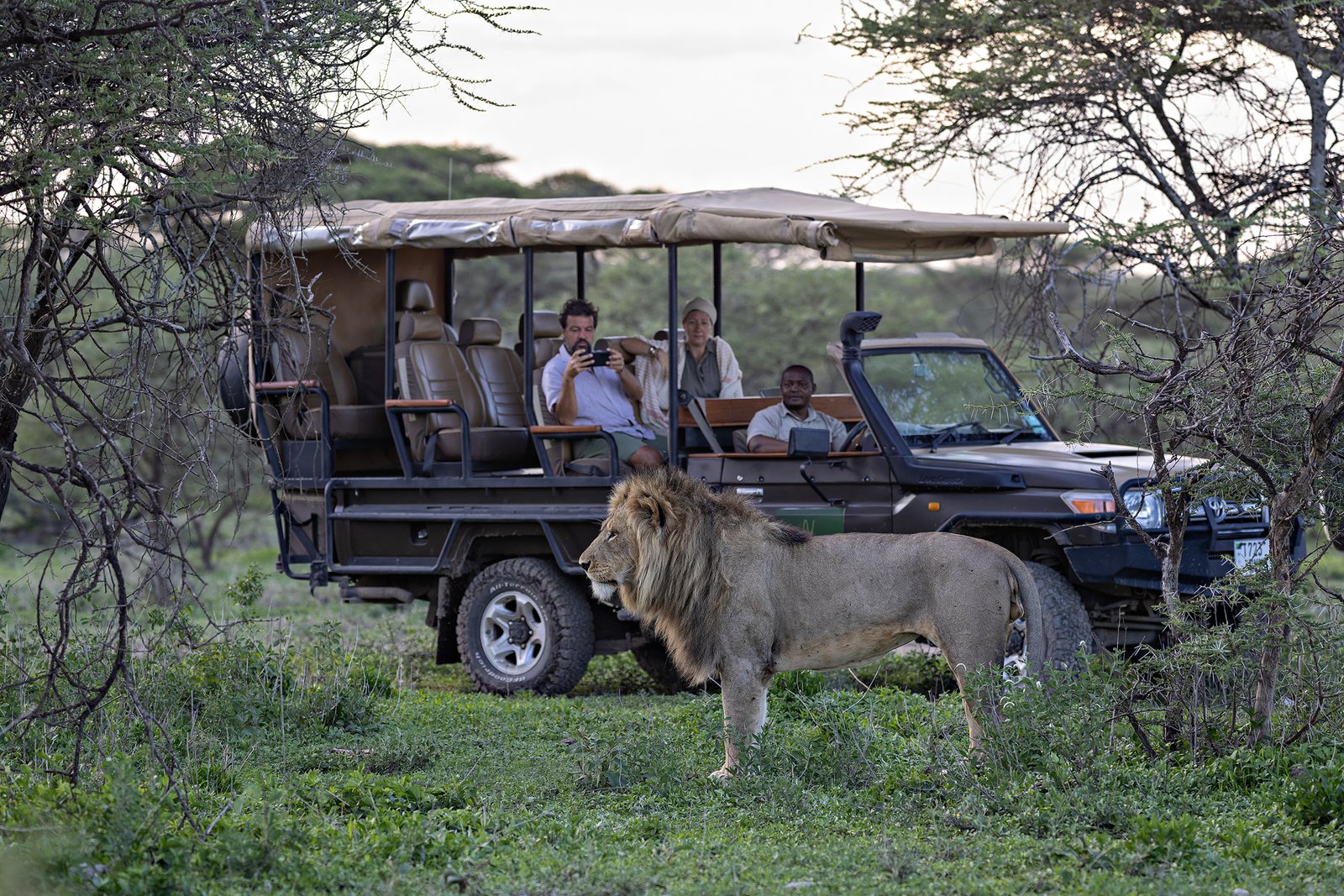
  • ASerengeti migration safari is a breathtaking journey into the heart of Africa’s wild beauty, where millions of wildebeests, zebras, and gazelles traverse the vast plains in search of fresh grazing lands. As the golden sun rises over the savannah, you’ll witness the thunderous movement of these herds, alongside elephants wandering peacefully, lions resting under acacia trees, and giraffes silhouetted against the horizon. This adventure not only brings you face-to-face with incredible wildlife but also offers a glimpse into Maasai culture, where you can learn about their traditions and harmony with nature. As the day fades, the Serengeti sky comes alive with stunning sunsets and a canopy of stars, adding a touch of magic to each evening. A migration safari with Twende Africa Tours is more than just a trip—it’s an unforgettable experience that captures the soul of Africa.
  • The Great Migration in detail
  • When planning your Serengeti safari you probably want to include seeing the Great Migration. So how do you ensure to be there when it happens? The long and short of it is that you can’t. It is important to realize that the decision of when to visit the Serengeti always involves an element of risk. We have detailed the Great Migration below, and this is what usually happens, but keep in mind that there are no guarantees.
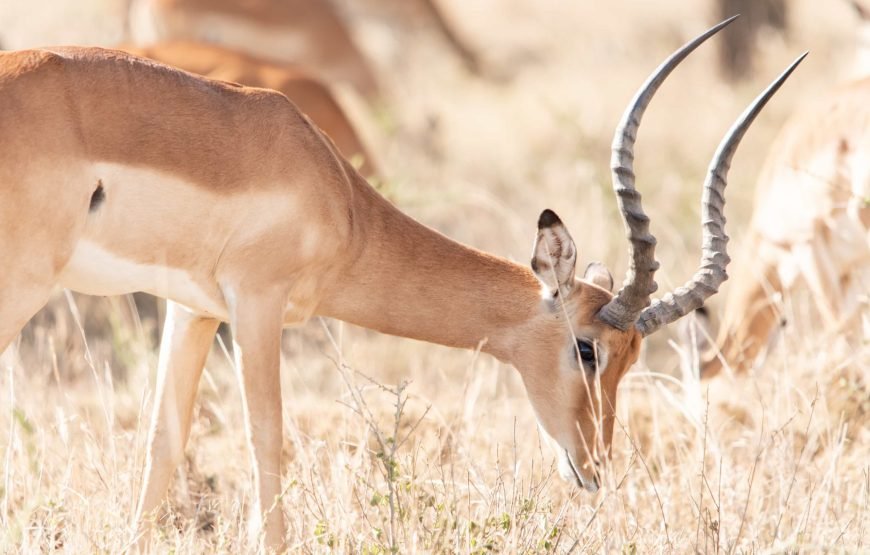
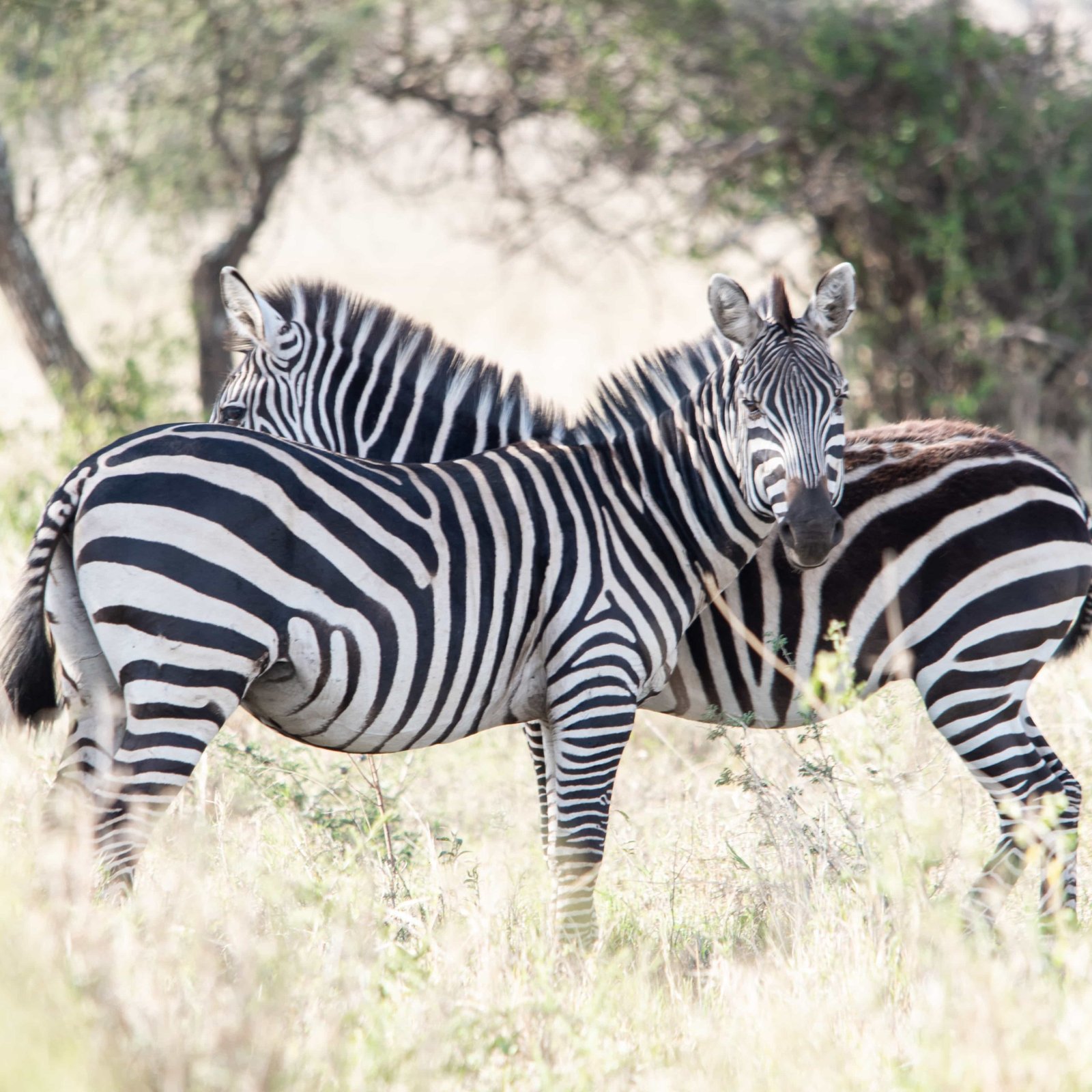
  • The annual migration of two million ungulates, wildebeest but also enormous groups of zebra and Thomson’s gazelle, Grant’s gazelle and eland, through Serengeti National Park is the greatest wildlife spectacle of its type in Africa, and perhaps the world. Although variations occur from year to year, the Serengeti migration follows a reasonably predictable annual cycle, dictated by local rainfall patterns. The Great Migration cycle breaks up into the following periods

Day 1: Leave Moshi/Arusha – Lake Manyara National Park

Pick up from your Arusha hotel and drive to Lake Manyara. Game viewing en route. Lunch at the lodge, followed by an afternoon game drive. Return to the lodge befoer dusk and your Dinner and overnight at a lodge.
Day 2: Lake Manyara – Serengeti National Park

Depart after breakfast for the Serengeti, passing through Olduvai Gorge, the site for Leakey’s family discoveries of fossils of human and animal ancestors dating to almost two million years back. Game viewing en route, with an afternoon game drive. Dinner and an overnight stay at the lodge in the park.
Day 3: Serengeti National Park

A full day in the endless vast plains of Serengeti National Park, enjoying a morning game viewing. The Serengeti is Tanzania’s oldest and most popular national park and is also a UNESCO World Heritage site. The Serengeti is a year-round destination, and each season has its own special highlight, with the most famous being the annual wildebeest migration, which is a once-in-a-lifetime experience. You will game drive en enroute before arriving in the Serengeti in time for a half-day game drive. After lunch you proceed to an afternoon game drive, and your dinner will be served at your lodge overnight at the lodge.
Day 4: Serengeti
Day 4: Serengeti

Early morning tea or coffee followed by a morning game drive to Serengeti National Park.
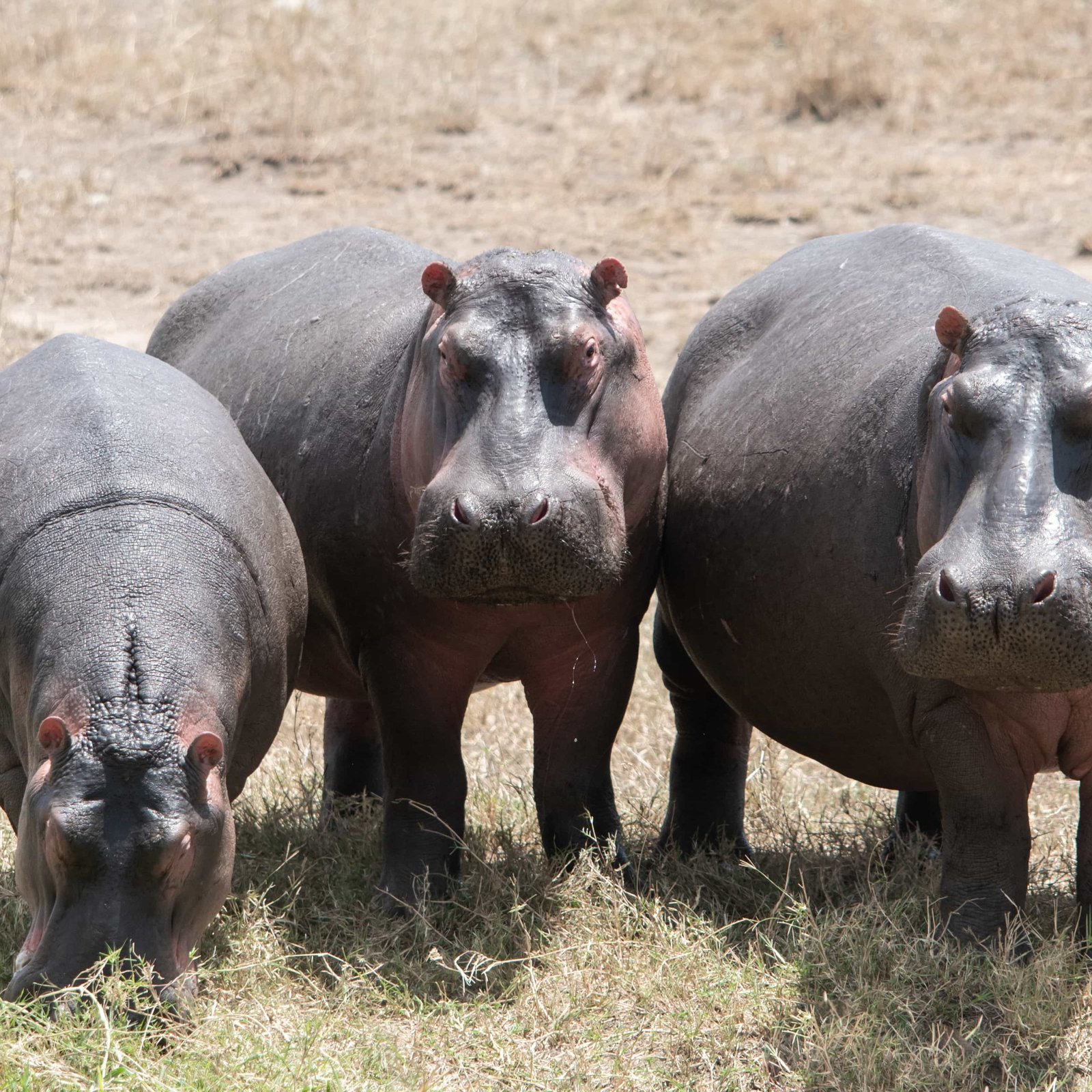
Day 5: Ngorongoro Crater
 Day 5: Ngorongoro Crater

After breakfast you will start descending 2000 ft down the crater by using our 4-wheel drive safari vehicle for a full day exploring the crater. Then you will have a break to enjoy a picnic lunch inside the crater. After lunch you continue with exploring this magnificent crater while concentrating on hundreds of games inside the crater. Then later this day you will ascend back to the lodge for dinner and overnight.
Day 6: Cultural tour at Mto Wa Mbu and Back to Moshi Or Arusha

You will enjoy your breakfast in the restaurant at the lodge, then visit Mto wa Mbua village to meet local people and late afternoon depart to Arusha or the airport.

  • Transfers in both directions between the International Airport and Moshi.
  • One-night Hotel accommodation in Moshi/Arusha.
  • Accommodation at luxury lodges and camps during the safari full board
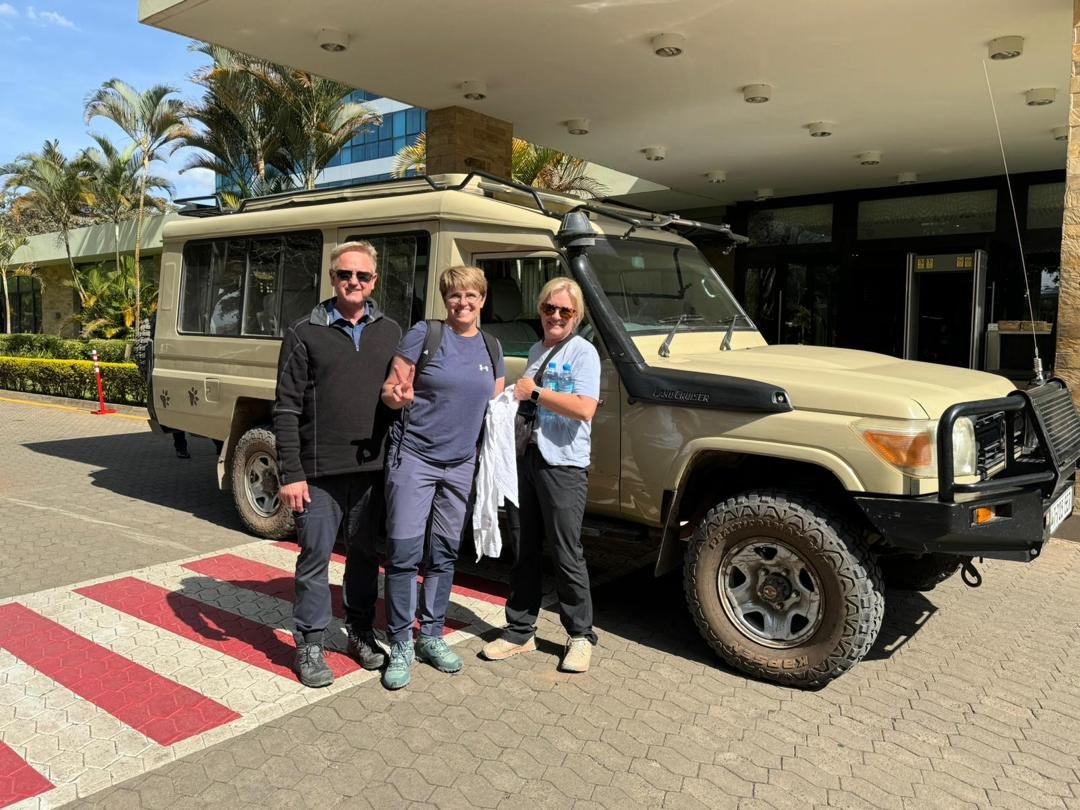
  • Extended 4 x 4 safari jeep with pop up roof for game viewing
  • Professional safari guide
  • Entrance fees to all national parks.
  • Maasai Experience tour if interested.
  • Ngorongoro Crater fees
  • 18% VAT to our entrance fees.
  • Government taxes, VAT and service charges relating to accommodation and included meals.
  • Tanzania Visa: $50 per person on arrival; USA and CANADA passport holders USD.100
  • Personal Expenses (e.g. laundry, telephone, beverages, etc.)
  • Optional Tours (balloon rides: USD 570 per person)
  • Tips and gratuities to your safari guide

Multiple Days

English
Espanol
French
German

Adventure Activities
Multi Day Tours
Nature Activities
Outdoors & Camping

Activity's Location

Serengeti National, Tanzania

When is the best time to see the great wildebeest migration in Tanzania?

During the period of December to March, the Serengeti Migration congregates in large herds around Lake Ndutu in the Ngorongoro Conservation Area of Tanzania safari. So, the wildebeest migration in the Serengeti is usually during June and July and January to February is the perfect time to see the wildebeest calves.

What does a Tanzania Safari cost?

Ideally, there is no fixed price range for a Tanzania safari. There are several factors, such as time, numbers of days, and accommodation types, that influence the Tanzania safari cost. However, the average cost of a Tanzanian safari per day can come down to $400 (dollars) per head for a lodge safari and around $200 (dollars) per day for camping.

Is it safe to go on a Tanzania Safari?

Yes, Tanzania is a fairly safe country. Every year millions of tourists visit this beautiful country in the hopes of a thrilling Tanzania travel experience. And the statistics say that maximum tourists leave the country with their heart bubbling with joy and a secret promise to visit again.

Where will I stay during the Tanzania safari?

Tanzania offers a great range of lodges and tented camps. However, your Tanzania accommodations depend on the type of packages you have purchased like budget safaris, standard or luxury Tanzania safaris.

How long does it take to do safari in Tanzania?

The duration of an ideal Tanzania safari can take between 5 to10 days to ensure you hit all the top spots on your safari. The length, though, can depend on how long you’d like to stay and enjoy a specific place, hotel, or park on your itinerary.
Reviews

0/5
Not Rated
Based on 0 reviews
Excellent
0
Very Good
0
Average
0
Poor
0
Terrible
0

No reviews yet.

Showing 1 - 0 of 0 in total

Write a review

- 5%
from A$9,000.00 A$8,550.00

Why book with us?

  • Serengeti Migration Safari

    Serengeti Migration Safari

    Witness the Magic of the Serengeti Migration
Owner

twendeafricatours

Member Since 2026

You might also like